Ambulance Driver Typography Banner
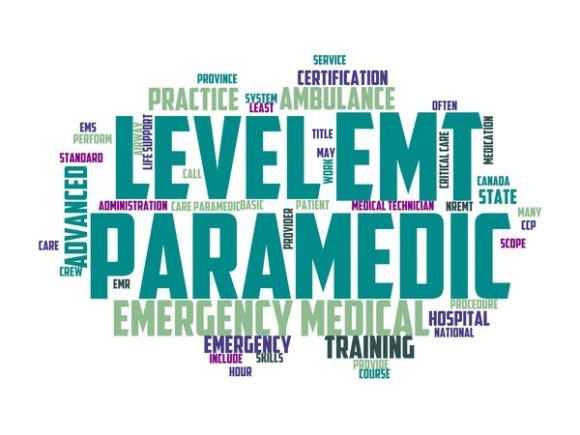
The Ambulance Driver Typography Banner is a distinctive, hand-drawn typographic design—vibrant, expressive, and intentionally human in feel. Unlike sterile digital fonts or overused script templates, it carries the warmth of analog craftsmanship: uneven line weights, subtle texture, and joyful color variation. It’s not just text—it’s visual storytelling with purpose. Designed as a ready-to-use wordcloud, it clusters meaningful, action-oriented words like “care,” “respond,” “steady,” “trust,” “urgency,” “compassion,” and “precision” into an organic, balanced composition. This isn’t decorative filler. It’s a functional asset built for integration—across physical products, digital campaigns, educational tools, and brand touchpoints.
Where It Fits in Your Creative or Operational Workflow
Think of the Ambulance Driver Typography Banner as a modular element—not a standalone piece, but a connective thread. It works before a project begins (as a mood board anchor or brand voice reference), during execution (as a consistent visual motif across deliverables), and after launch (as part of post-campaign assets or community-facing materials). For educators designing first-responder training modules, it adds emotional resonance to slide decks and handouts. For small-batch apparel brands, it becomes the centerpiece of limited-run tees or tote bags—communicating values before a single word is read. For freelance designers building a healthcare client’s identity system, it serves as a flexible, on-brand illustration asset that avoids clichéd icons or stock imagery.
Its strength lies in context-aware adaptability. You don’t need to redesign it for each use case—you adjust scale, crop, color mode, or layout while preserving its integrity. That means less time tweaking and more time delivering.
Integration Across Tools and Platforms
This banner is delivered in high-resolution PNG and vector-based SVG formats—ensuring crisp output whether printed on fabric or scaled for social media banners. It imports cleanly into Adobe Creative Suite, Affinity apps, Canva, Figma, and even Cricut Design Space. In Canva, you can layer it behind custom headlines or pair it with editable text boxes for event invitations. In Illustrator, you can isolate individual words for repositioning or recoloring without losing quality. On Cricut, its clean edges cut precisely for iron-on transfers or vinyl decals—ideal for custom first-aid kits, volunteer team apparel, or classroom posters.
It also complements other assets. Pair it with neutral sans-serif body text for contrast and readability. Use it alongside photography of real EMTs or emergency response teams to ground abstract values in human experience. Layer it over subtle grid textures or soft gradients in packaging mockups to add depth without distraction. When used alongside tone-of-voice guidelines or brand palettes, it reinforces messaging consistency—not just visually, but emotionally.
Practical Implementation Tips
- Start with intent: Before placing the banner, ask: What feeling should this evoke? Calm authority? Urgent compassion? Team cohesion? Let that guide cropping, color adjustments, and surrounding whitespace.
- Test legibility early: Zoom out to 25% view. Can core words still be recognized? If not, simplify the background or increase contrast. Avoid overloading adjacent elements—this banner thrives with breathing room.
- Respect color modes: For print (posters, business cards, packaging), convert to CMYK and verify Pantone equivalents if brand-critical. For web or screen use, stick to RGB and embed sRGB profiles to prevent unexpected shifts.
- Organize smartly: Save versions with clear naming: AmbulanceDriver_Banner_RGB_Full.png, AmbulanceDriver_Banner_Crop_UrgencyOnly.svg. Store them in a shared cloud folder with usage notes—not just for yourself, but for collaborators who may need context fast.
- Repurpose thoughtfully: A single banner can become multiple assets: extract “respond” and “trust” for badge icons; use the full layout for a workshop wall poster; invert colors for dark-mode digital displays.
Use Cases That Deliver Real Value
For small business owners launching a community CPR class, the banner becomes the hero image on registration pages, printed on participant notebooks, and stitched onto instructor lanyards—creating continuity from sign-up to follow-up. There’s no need to commission custom illustrations for each touchpoint.
Bloggers and educators use it to break up long-form content about emergency preparedness—inserting it between sections as a visual pause that reinforces key themes. It signals transition without needing explanatory text.
Freelance marketers building awareness for non-profits or municipal EMS departments apply it to email headers, donor thank-you cards, and annual report infographics—adding warmth to data-heavy documents without sacrificing professionalism.
Even in product development, it informs textile prints for scrubs or medical-grade tote bags—where durability meets meaning. The hand-drawn quality reads as approachable and trustworthy, critical when addressing sensitive topics like health, safety, or crisis response.
Long-Term Usability and Quality Control
Because it’s hand-drawn—not algorithmically generated—the banner avoids trend fatigue. It won’t look dated next year the way AI-generated “vintage” fonts often do. Its authenticity supports longevity across seasons and campaigns. To maintain consistency over time:
- Keep a master style guide snippet noting recommended minimum sizes, safe margins, and primary/secondary color pairings.
- Archive original source files separately from edited versions—so future updates start from a clean base.
- When sharing with vendors (print shops, embroiderers, web developers), include both RGB and CMYK versions plus a PDF with embedded fonts and crop marks.
- Review usage quarterly: Is it still aligned with your current messaging? Are certain words resonating more than others? Adjust emphasis—not the asset itself—based on real engagement data.
Efficiency isn’t just about speed—it’s about reducing decision fatigue. With the Ambulance Driver Typography Banner, you’re not choosing *what* to say visually each time. You’re deciding *how best to say it*, given your audience and medium. That shift—from creation to curation—frees mental bandwidth for strategy, storytelling, and human-centered execution.
Getting Started Without Overcomplicating
You don’t need a full branding overhaul to begin. Start small: replace a generic header image on your next workshop flyer with the banner. Print one version on cardstock and hang it where your team plans daily tasks—it subtly reinforces shared values. Add it to your Notion dashboard sidebar as a visual reminder of mission-driven work.
If you're evaluating whether it fits your needs, ask two questions: Does it reflect the tone your audience expects—and deserves? Can it move fluidly between at least three different applications (e.g., digital, print, product)? If yes, it’s not just decoration. It’s infrastructure.
The Ambulance Driver Typography Banner doesn’t replace strategy—but it makes strategy visible, tangible, and repeatable. It turns abstract principles like urgency, care, and reliability into something you can hold, share, and build upon. And in workflows where clarity, consistency, and compassion matter most, that’s not just practical. It’s essential.