Anatomist Typography Skinny Tumbler
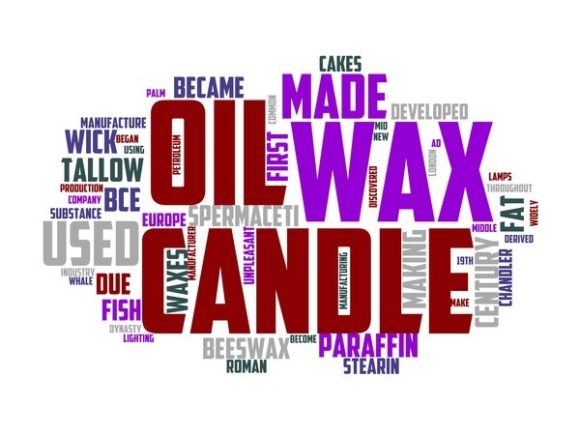
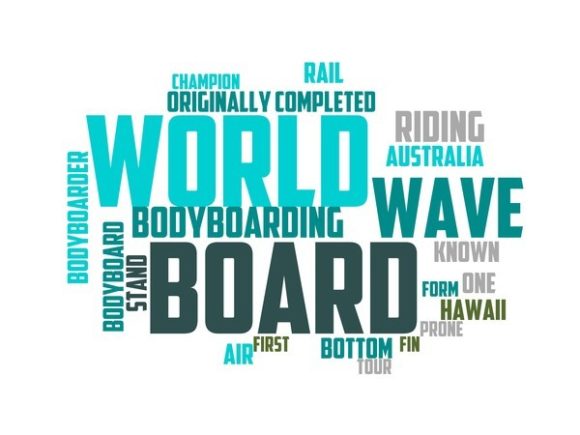
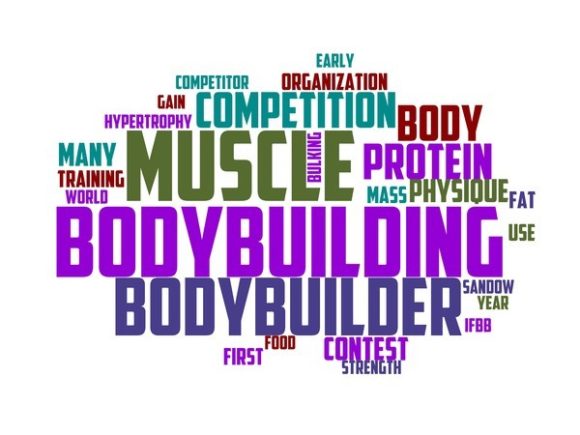
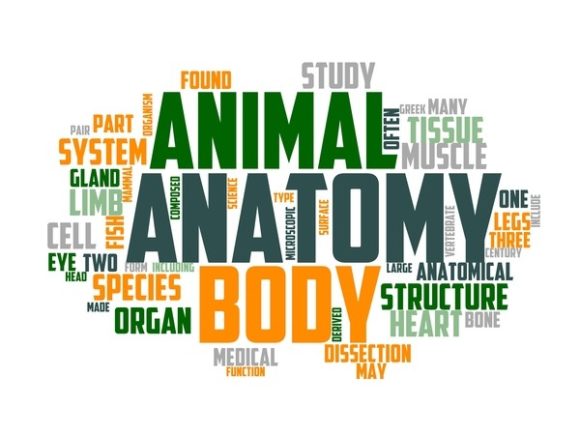
If you’ve seen the Anatomist Typography Skinny Tumbler online—whether on a boutique shop, design marketplace, or social media feed—you’ve likely paused at its clean, minimalist silhouette and striking visual contrast. It’s not just another tumbler. This piece merges functional drinkware with typographic artistry: slender proportions, matte finish options, and a surface engineered for crisp, long-lasting print application—especially when paired with expressive, hand-drawn assets like the vibrant wordcloud from Anatomist Typography.
That wordcloud isn’t decorative filler. It’s a versatile, ready-to-use design toolkit—hand-illustrated, color-rich, and thoughtfully spaced—built for real-world application: screen-printed on cotton tees, heat-transferred onto ceramic mugs, layered into digital newsletters, or die-cut as vinyl stickers for laptops and water bottles. But here’s what many overlook before diving in: how the tumbler’s physical properties directly shape how well that beautiful wordcloud performs.
Assuming Any Tumbler Works the Same Way
Not all skinny tumblers are created equal—and that matters deeply when applying typography or detailed illustrations. Some versions of the Anatomist Typography Skinny Tumbler use stainless steel with a smooth, slightly textured powder-coated exterior; others feature glossy enamel or matte polymer wraps. A glossy surface may cause ink to bead or fade faster under UV exposure, while overly rough textures can blur fine linework in the wordcloud—especially around delicate letterforms or connecting strokes.
One designer ordered 50 units for a wellness brand launch, assuming “skinny tumbler” meant universal compatibility. She applied the wordcloud via sublimation—but only after skipping a quick test print on a sample. The result? Faint outlines, muted colors, and inconsistent saturation across the batch. Her fix? Switching to a verified sublimation-ready variant (with white base coating) and running a single-unit proof first.
Before ordering: Check the product specs for “sublimation-ready,” “vinyl-adhesive compatible,” or “screen-print certified.” If it’s unclear, message the seller—not just for material type, but for recommended printing method and minimum line weight tolerance (e.g., “works best with strokes ≥0.75 pt”).
Overlooking Dimensional Realities in Digital Design
The wordcloud is hand-drawn and joyful—but joy doesn’t scale without intention. When placing it on the curved surface of the Anatomist Typography Skinny Tumbler, distortion happens. What looks balanced on a flat screen can stretch awkwardly near the base or compress at the lip if not adjusted for cylindrical wrap.
A small-batch apparel shop used the same file for posters *and* tumblers—no modifications. On the cup, “creativity” stretched horizontally by 12%, while “calm” shrank vertically near the handle zone. Customers noticed. Not because it was ugly—but because it felt unintentional.
Better approach: Use your design software’s cylinder wrap preview (Illustrator’s “3D Revolve” or Affinity Designer’s “Cylinder Projection”) or request a mockup template from the tumbler supplier. Even better: ask for their printable area dimensions (height × circumference), then build your layout within those exact boundaries—leaving 3–5 mm bleed and avoiding critical words near seam lines.
Treating the Wordcloud Like Clipart—Not a Craft Resource
This wordcloud wasn’t made to sit in a folder labeled “graphics.” It’s designed for tactile, contextual use: embroidered on denim jackets, debossed into leather notebooks, or laser-etched onto bamboo coasters. Yet many users drop it into Canva templates without adjusting spacing, color contrast, or layer hierarchy—then wonder why “focus” disappears against a busy background or why “gratitude” loses legibility on navy fabric.
One educator printed it on classroom reward tags using standard inkjet paper. The colors bled slightly, and the fine cross-hatching vanished. She switched to matte sticker paper with pigment ink—and increased stroke weight by 15% in the vector file. Instant clarity.
Practical check: Before finalizing any output, ask: What’s the substrate? What’s the lighting? Who’s holding it—and how close? For apparel: convert text to outlines and expand strokes. For signage: boost contrast between keywords and background. For embroidery: simplify overlapping letters and avoid tiny interior counters (like in “e” or “a”).
Misjudging Licensing Scope—and Its Real-World Limits
The wordcloud comes with broad commercial rights—but “broad” doesn’t mean unlimited. Most licenses cover physical products (tumblers, tote bags, stationery) and digital promotions (email headers, social posts, webinar slides). They typically exclude resale of the raw vector file, use in logo trademarks, or embedding in SaaS platforms where end users can edit it.
A freelance marketer built a client’s entire brand kit around the wordcloud—including a custom logo derived from “growth” and “clarity.” When the client filed for trademark, the application stalled: USPTO flagged the source as non-distinctive and commercially licensed, not original IP. No legal violation—but a costly redesign delay.
Solution: Read the license summary *before* conceptualizing. If you need exclusive rights or logo integration, contact the creator directly. Otherwise, treat the wordcloud as a stylistic foundation—not a proprietary asset.
Skipping the Human Touch in Presentation
Even the most beautiful wordcloud falls flat if the Anatomist Typography Skinny Tumbler isn’t styled with intention. A matte black tumbler with neon pink typography reads energetic and modern. The same design on rose gold with pastel script feels soft and curated—but only if the palette harmonizes. One Etsy seller listed identical designs across five tumbler colors but used the same product photo background each time. Conversion dropped 30% on warm-toned variants.
Try this instead: Stage each tumbler variant with context—e.g., the mint version beside a linen notebook and pressed botanicals; the charcoal one next to espresso and brass bookmarks. Show how the wordcloud lives *in life*, not just on a white backdrop.
Ultimately, the Anatomist Typography Skinny Tumbler shines brightest when treated as both vessel and collaborator—designed not just to hold liquid, but to carry meaning, mood, and message with quiet confidence. Pair it with care, adapt intentionally, and let the hand-drawn wordcloud do what it does best: spark connection, not just decoration.