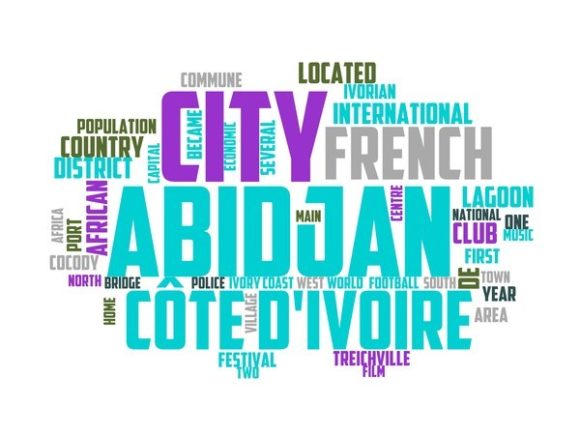
Abidjan Typography Wallpaper: A Strategic Design Asset for Purpose-Driven Creators
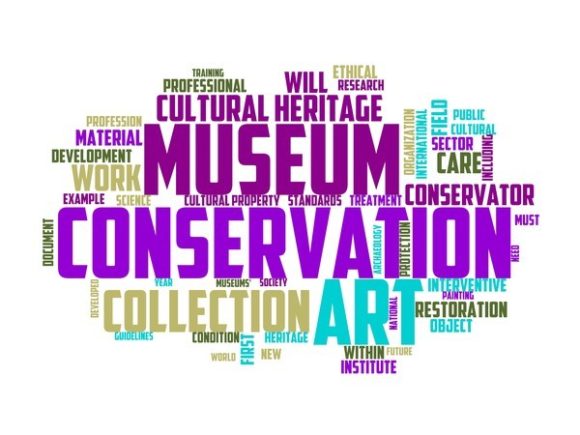
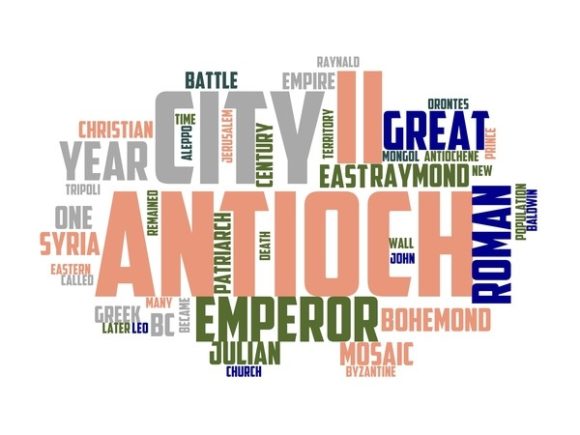
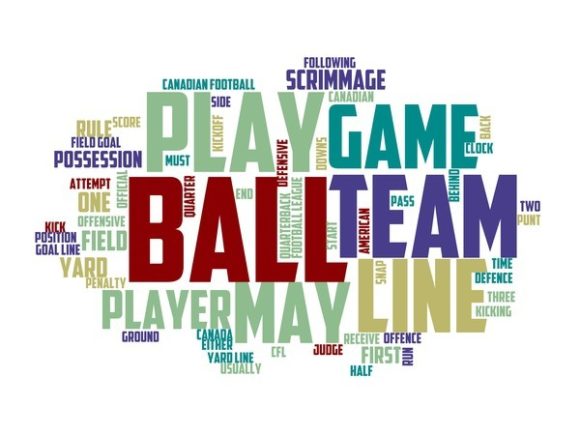
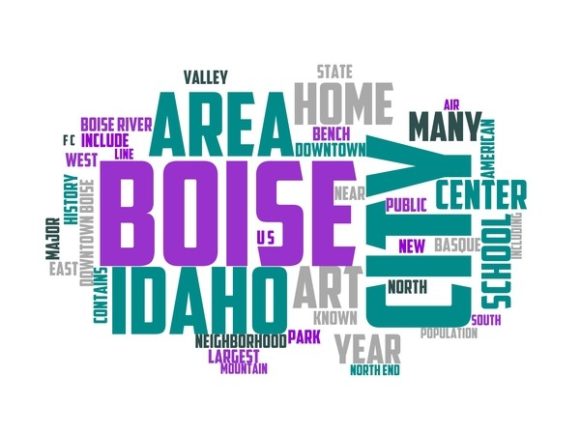
Abidjan Typography Wallpaper isn’t just another decorative pattern—it’s a culturally resonant, hand-drawn wordcloud built from vibrant, intentional letterforms that carry rhythm, warmth, and narrative weight. Rooted in the visual energy of West African urban expression but designed for global application, it merges typographic clarity with organic color palettes and layered meaning. For entrepreneurs, educators, designers, and small business owners, this isn’t about filling space—it’s about embedding intention into surfaces people interact with daily: apparel, packaging, classroom materials, client-facing print collateral, or digital-first assets like e-book covers and social banners.
Why Context Matters More Than Color Palettes
A beautiful wordcloud loses strategic value when divorced from purpose. Abidjan Typography Wallpaper gains power only when aligned with a clear communication goal—whether reinforcing brand voice, supporting learning retention in educational printables, or elevating perceived craftsmanship on textile-based merchandise. Its hand-drawn quality signals authenticity; its multilingual-friendly structure (no rigid script constraints) supports inclusive messaging. But that same flexibility becomes a liability if applied without editing discipline: uncurated word selection, inconsistent sizing, or clashing contrast can dilute readability and weaken recall. Before placing it on a business card or product tag, ask: What idea must the viewer grasp within three seconds? Does this layout support—or compete with—that idea?
Strategic Use Cases Across Real Workflows
Consider how Abidjan Typography Wallpaper functions differently across contexts—not as decoration, but as a decision point:
- Product Packaging & Textile Design: When printed on tote bags or notebook covers, it transforms functional items into conversation starters. A boutique coffee roaster might use a curated cloud featuring words like “origin,” “roast,” “terroir,” and “community”—reinforcing values before the first sip. The key is limiting lexical density: fewer, stronger words increase memorability and reduce visual fatigue.
- Educational & Workshop Materials: Teachers and facilitators integrate Abidjan Typography Wallpaper into handouts or slide backgrounds to anchor thematic vocabulary—e.g., “empathy,” “iteration,” “bias,” “prototype” for a design-thinking workshop. Because the forms are hand-drawn—not sterile sans-serif—the brain registers them more durably. But avoid overlaying dense text on top; maintain at least 40% negative space around primary content areas.
- Digital + Print Collateral: In flyers, postcards, or email headers, Abidjan Typography Wallpaper works best as a subtle border element or background texture—not full-coverage. A nonprofit launching a literacy campaign might use a low-opacity version behind a bold headline, letting the typography whisper context while the message leads.
- Branded Merchandise & Home Décor: Here, longevity matters. Unlike trend-driven motifs, Abidjan Typography Wallpaper’s human-made imperfections age gracefully. A ceramicist printing mugs with “clay,” “fire,” “form,” and “pause” creates quiet cohesion between object and ethos—without needing logos or slogans.
Planning Your Implementation: Three Practical Filters
Before downloading or licensing Abidjan Typography Wallpaper, apply these filters to avoid misalignment:
- Goal Filter: Is your objective awareness, education, emotional resonance, or conversion? If it’s conversion (e.g., driving sign-ups), prioritize legibility and focal hierarchy over artistic density. Reserve maximalist versions for gallery posters or mood boards—not checkout pages.
- Scale Filter: How large will the final output be? At 2” x 3” (e.g., sticker or badge size), simplify to 3–5 core words in high-contrast tones. At 24” x 36” (e.g., wall poster), layer meaning through size variation, overlapping transparency, and directional flow—guiding the eye deliberately.
- Audience Filter: Who interprets this? A Gen Z audience may read layered cultural references intuitively; corporate stakeholders may need clearer semantic anchors. Test early: show a draft to two people outside your immediate circle and ask, “What’s the first thing you notice—and what do you think it’s for?” Their answers reveal alignment gaps faster than any style guide.
Risks of Unintentional Use—and How to Mitigate Them
Using Abidjan Typography Wallpaper without strategic framing introduces real operational risk. Overuse across touchpoints blurs brand distinction—imagine identical clouds on your Instagram story, invoice footer, and conference badge. That repetition doesn’t build recognition; it erodes differentiation. Worse, applying it to low-resolution digital displays (like email thumbnails or mobile ads) without optimizing for screen contrast can render text illegible, damaging credibility before engagement begins.
Another underdiscussed risk: cultural flattening. While inspired by Abidjan’s visual language, the wallpaper isn’t a substitute for authentic collaboration with West African designers or contextual research. Using it alongside tokenistic imagery—or without acknowledging its roots—undermines trust. Ethical integration means pairing it with informed storytelling: a short caption on a product page, a footnote in a presentation, or sourcing credit in design documentation.
Long-Term Value Lies in Restraint and Revision
The highest-performing users of Abidjan Typography Wallpaper treat it like a living asset—not a one-time download. They maintain a master library of edited variants: one simplified for small-format print, one high-contrast for dark backgrounds, one monochrome version for embroidery or foil stamping. They track usage across campaigns and audit quarterly: Which version drove the strongest engagement? Where did attention drop off? Did certain words consistently outperform others in recall tests?
This approach transforms Abidjan Typography Wallpaper from a static graphic into a responsive communication tool. A freelance illustrator might rotate cloud themes seasonally—“process,” “draft,” “refine,” “release” for Q1 planning; “connect,” “listen,” “respond,” “adapt” for client feedback cycles. An educator building a year-long curriculum could map vocabulary clouds to units, creating visual continuity students recognize subconsciously.
Getting Crafty Without Losing Clarity
“Get crafty” isn’t about adding more—it’s about choosing with precision. When customizing Abidjan Typography Wallpaper for clothing, start with garment function: a structured blazer benefits from a tight, upright cloud emphasizing professionalism (“clarity,” “integrity,” “craft”); a relaxed linen shirt invites looser spacing and warmer hues (“breathe,” “pace,” “notice”). For stickers or magnets, prioritize silhouette recognition—can the shape be identified at thumbnail size? Trim peripheral elements ruthlessly.
For publishers and authors, consider how the wallpaper interacts with typography hierarchy. If used on an e-book cover, ensure title font weight contrasts sufficiently with the underlying cloud—no competing thin strokes. In print magazines, test halftone rendering: some ink densities mute hand-drawn texture. Request physical proofs before full runs.
Final Thought: Design as Decision Infrastructure
Abidjan Typography Wallpaper succeeds not because it’s colorful or hand-drawn—but because it offers a scaffold for disciplined communication. Every word chosen, every hue adjusted, every placement decision reflects a stance: about audience respect, about message priority, about how meaning moves through material. It rewards practitioners who treat design not as polish, but as infrastructure—aligning visual choices with operational goals, ethical commitments, and measurable outcomes. That’s where lasting impact begins.