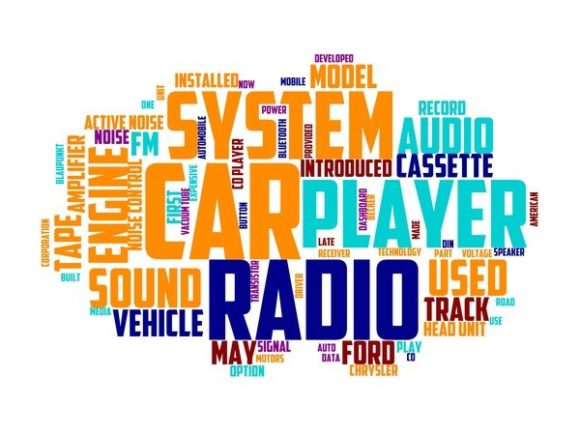
Auto Audiophilia Typography Tumbler: Where Sound, Type, and Hand-Drawn Expression Meet
Typography is no longer just about legibility or hierarchy—it’s about resonance. The Auto Audiophilia Typography Tumbler embodies this shift: a dynamic, hand-drawn wordcloud that fuses auditory inspiration (“audiophilia”) with typographic playfulness and tactile charm. It’s not a static font or a clipart bundle. It’s a living visual language—colorful, intentional, and deeply human—designed to translate feeling into form. Whether you’re screen-printing lyrics onto organic cotton tees, layering phrases onto ceramic mugs, or building an editorial spread for an indie zine, this wordcloud invites participation—not passive use.
Why Hand-Drawn Wordclouds Are Gaining Real Momentum
In an era saturated with algorithmically generated visuals and AI-assisted design tools, there’s a quiet but powerful counter-trend: the resurgence of hand-crafted texture, imperfection, and expressive variation. Consumers—and creators—increasingly associate polished uniformity with distance, while subtle line weight shifts, uneven spacing, and organic color blends signal authenticity and care. The Auto Audiophilia Typography Tumbler leans into this instinctively. Its letters aren’t vector-perfect; they breathe, tilt, overlap, and vary in saturation—mirroring how sound itself behaves: layered, rhythmic, sometimes chaotic, always alive.
This isn’t nostalgia for analog. It’s responsiveness to modern expectations: audiences want design that feels *made*, not merely assembled. A small-batch coffee roaster uses the wordcloud on kraft paper tags—not because it’s “vintage,” but because it visually echoes their commitment to craft, traceability, and sensory experience. A music educator prints it on classroom posters to spark conversation about tone, rhythm, and emotional vocabulary—not as decoration, but as a teaching anchor.
From Poster to Product: Practical Flexibility Without Compromise
The strength of the Auto Audiophilia Typography Tumbler lies in its deliberate versatility—not as a marketing claim, but as a functional reality. Each element is built for real-world application:
- Clothing & Textiles: Vector-based outlines and high-res PNGs scale cleanly from embroidery thread counts on denim jackets to large-format fabric printing for tote bags or pillow covers—no pixelation, no loss of character.
- Promotional Materials: Because the composition balances density and breathing room, it works equally well at thumbnail size on social ads and full-bleed on 24” x 36” banners—without needing separate cropped versions.
- Print & Packaging: CMYK-optimized color palettes ensure fidelity across uncoated paper stock (for artisanal business cards), matte-finish boxes (for subscription kits), and glossy magazine inserts—no unexpected shifts in warmth or contrast.
- Digital & Interactive Use: SVG variants retain crispness on retina displays and allow subtle CSS animations—like gentle hover lifts on e-commerce product thumbnails or staggered reveals in presentation decks.
This adaptability reflects evolving workflows. Freelance designers no longer hand off “print-only” or “web-only” assets—they deliver unified systems. Educators build lesson kits that move seamlessly from printable worksheets to interactive whiteboard annotations. Small studios launch products with coordinated launch campaigns: same wordcloud appears on Instagram Stories, limited-edition enamel pins, and the inside flap of shipping mailers. Consistency isn’t enforced by repetition—it’s earned through thoughtful, scalable design.
More Than Decoration: How This Wordcloud Supports Intentional Communication
Words carry weight—but arrangement adds meaning. The Auto Audiophilia Typography Tumbler doesn’t randomize terms. Its layout emerges from thematic clustering: verbs like “tune,” “resonate,” and “amplify” sit near sonic symbols; nouns like “vinyl,” “frequency,” and “harmony” orbit central glyphs; adjectives like “warm,” “crisp,” and “layered” nestle in quieter corners. That structure supports narrative—not just aesthetics.
A wellness coach might select phrases like “breathe,” “ground,” and “pause” from the set, then reposition them within the cloud’s existing flow to create a custom meditation poster—keeping the original’s energy while tailoring its message. A boutique record store uses the full composition on window decals, then isolates “play,” “listen,” and “repeat” for vinyl sleeve liner notes—leveraging recognition without redundancy.
This kind of selective, contextual reuse mirrors how professionals actually work today: less about starting from zero, more about intelligent remixing. It respects users’ time and creative judgment—offering scaffolding, not constraints.
Design Ethics in Practice: Transparency, Licensing, and Respectful Use
Using hand-drawn assets responsibly matters—especially when cultural or technical references are embedded (as they are here, with nods to audio engineering terminology and mid-century typographic experimentation). The Auto Audiophilia Typography Tumbler comes with clear, straightforward licensing: personal and commercial use included, with attribution requested but not required for non-promotional contexts. There’s no “extended license” upsell for standard print runs or digital distribution—just one tier that covers the majority of real-world needs.
This transparency aligns with broader shifts in creator economy ethics. Users increasingly research not just what a resource *does*, but how its makers treat collaborators, credit influences, and handle permissions. Knowing that the illustrators behind the wordcloud also produce open-source audio plugins and teach typography workshops adds dimension—it’s not just a product, but part of a practice.
Where to Start—Without Overcommitting
You don’t need a full rebrand to benefit. Try these low-lift, high-impact entry points:
- Refresh your email signature: Insert a small, centered cluster (e.g., “curate • connect • reflect”) beneath your name—adds personality without clutter.
- Elevate physical touchpoints: Print a single phrase like “press play” onto sticker sheets, then apply them to notebook spines, laptop edges, or reusable water bottles—subtle reinforcement of your values.
- Build a mood board that moves: Combine the wordcloud with short audio waveform snippets or spectrogram visuals in a Figma or Canva file—ideal for pitching a podcast redesign or music education curriculum.
Each of these uses honors the wordcloud’s core intention: to make communication feel more resonant, more human, more *heard*—not just seen.
Looking Ahead: Design That Listens Back
The future of expressive typography isn’t about bigger libraries or faster rendering—it’s about deeper alignment between form and function, between maker and audience, between sound and silence. The Auto Audiophilia Typography Tumbler doesn’t try to predict that future. Instead, it offers a grounded, usable piece of it today: a tool that supports clarity without sacrificing soul, flexibility without diluting voice, and beauty without demanding perfection.
Whether you’re prototyping a new merch line, designing a conference program, or simply choosing words to stitch onto a handmade journal cover—you’re not just selecting type. You’re choosing how attention lands, how meaning lingers, and how connection begins. And sometimes, that starts with a single, beautifully drawn word, placed just so.