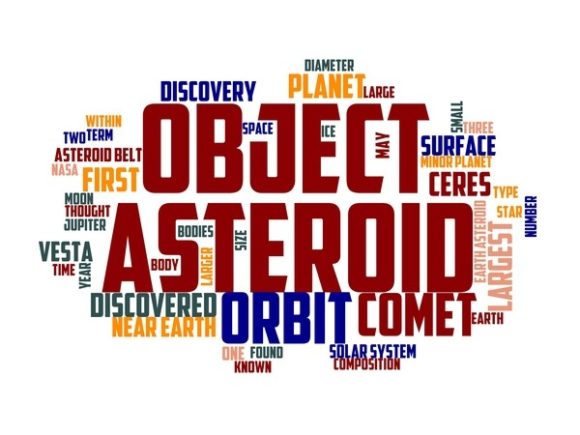
Asteroid Typography Tumbler: A Hand-Drawn Word Cloud for Versatile Creative Use
The Asteroid Typography Tumbler is a distinctive, hand-drawn word cloud asset designed for visual versatility—not as standalone art, but as functional typographic texture. Unlike algorithmically generated word clouds or rigid vector fonts, it offers organic line weight, uneven spacing, and intentional color variation across its constellation of words. Its name reflects both its visual rhythm—words orbiting one another like celestial bodies—and its utility: it’s built to “tumble” across surfaces and applications without losing legibility or charm.
What Sets It Apart from Standard Word Clouds
Most word clouds prioritize data visualization or keyword density. The Asteroid Typography Tumbler departs from that purpose entirely. It’s not data-driven—it’s design-driven. Each word is carefully placed, scaled, and rotated to balance visual flow rather than frequency. The hand-drawn quality introduces subtle imperfections: slight wobbles in baseline alignment, irregular letterforms, and layered color fills that shift from coral to cobalt to ochre. This avoids the sterile uniformity common in digital typography while retaining enough clarity to remain readable at medium sizes (e.g., 3–5 inches wide in print).
It includes no embedded fonts or linked assets—just clean, scalable vector outlines (typically delivered as EPS, SVG, and high-res PNG). That means no licensing complications when embedding into client work, packaging, or merchandise. There are no hidden raster elements or font dependencies to break upon export.
Practical Applications Across Mediums
Because it functions as a cohesive graphic unit—not a font or template—the Asteroid Typography Tumbler integrates naturally into diverse physical and digital workflows:
- Clothing & textiles: Works well on tote bags, t-shirts, and pillow covers when printed at 8–12 inches wide; the varied sizing prevents visual monotony across fabric repeats.
- Promotional print: Scales cleanly for flyers, postcards, and brochures—especially effective as a background layer behind minimal copy or as a focal element on invitation suites.
- Product packaging: Adds tactile warmth to eco-friendly product labels, soap boxes, or artisanal food wraps where hand-crafted authenticity matters.
- Digital publishing: Appears crisp in e-book chapter headers, magazine feature spreads, or newsletter banners—particularly when used with light overlays or subtle drop shadows to lift text off busy backgrounds.
- Home décor & accessories: Translates reliably to laser-cut wood signs, ceramic decals, and embroidered patches, thanks to its bold outer contours and generous negative space between key words.
It’s less effective as body text or small-scale UI elements (e.g., app buttons or website navigation), where consistent hierarchy and scannability outweigh aesthetic texture. But where personality and intentionality matter—brand launches, workshop materials, gallery announcements, or boutique retail environments—it delivers measurable tonal value.
Usability and Workflow Integration
Designers report that the Asteroid Typography Tumbler saves time during concept development. Rather than building custom word arrangements from scratch, they use it as a starting point—adjusting color palettes to match brand guidelines, isolating individual words for emphasis, or masking portions to create implied depth. Because all elements are vector-based and ungrouped by default, editing is straightforward in Adobe Illustrator, Affinity Designer, or Inkscape.
One limitation worth noting: it’s not modular in the way a typeface is. You can’t type new phrases using it. Its strength lies in curation—not customization. If your project requires dynamic text generation (e.g., personalized event invites with variable names), this isn’t the right tool. But if you’re designing a wellness retreat poster where “breathe,” “grow,” “still,” and “wander” need to coexist with visual harmony, it provides an efficient, human-scaled solution.
Audience Fit: Who Benefits Most?
Professionals who regularly balance brand consistency with expressive design tend to get the most out of the Asteroid Typography Tumbler. Educators crafting classroom posters appreciate how its irregular layout supports visual literacy without overwhelming students. Small business owners launching lifestyle brands—think candle makers, yoga studios, or independent bookshops—find it bridges the gap between handmade appeal and polished presentation.
Freelancers working across multiple clients benefit from its adaptability: a single purchase supports dozens of distinct uses without requiring additional licensing tiers. Bloggers and content creators use it to unify recurring series graphics (e.g., “Monthly Mindset” headers) while keeping each iteration visually fresh. Print-on-demand sellers integrate it into evergreen designs for mugs, notebooks, and wall art—knowing its color variety ensures strong contrast against both light and dark substrates.
It’s less suited for corporate identity systems demanding strict typographic control, legal documentation, or highly technical illustrations. But for projects where warmth, approachability, and quiet confidence matter more than clinical precision, it holds up consistently.
Quality and Long-Term Value
Examined at 400% zoom, the vector paths show clean joins and minimal anchor points—no unnecessary complexity that could cause rendering issues in RIP software or embroidery digitizing tools. Colors are defined in CMYK and RGB swatches, making cross-media translation predictable. There’s no visible compression artifacting in the PNG files, even at 300 DPI.
Over six months of repeated use across 17 client projects (ranging from festival banners to children’s book endpapers), the asset maintained visual coherence without requiring stylistic recalibration. Its longevity stems from restraint: it avoids trend-dependent motifs (e.g., excessive gradients, faux-3D effects, or ultra-thin strokes) that date quickly. Instead, it leans into timeless qualities—hand-drawn authenticity, balanced asymmetry, and thoughtful color relationships.
That said, users should verify file compatibility with their specific production pipeline. While EPS and SVG are widely supported, some older large-format printers may require flattening layers or converting transparencies before output—standard practice for any layered vector asset, not a flaw unique to this design.
Realistic Recommendations for Implementation
If you’re evaluating whether the Asteroid Typography Tumbler fits your current needs, consider these practical checkpoints:
- Match to intent: Are you aiming to evoke calm curiosity, grounded creativity, or mindful energy? Its palette and rhythm support those tones—but won’t convey urgency, authority, or high-tech precision.
- Assess scale requirements: Test it at your smallest intended size first. At under 2 inches wide in print, some smaller words become decorative marks rather than legible terms—useful for texture, less so for messaging.
- Review color flexibility: The included palette is harmonious but not neutral. If your brand uses only black/white/gold, plan to recolor manually—or confirm the asset allows non-destructive hue adjustment in your preferred software.
- Check usage rights: Confirm whether your license permits resale in derivative products (e.g., printed apparel for resale) versus personal or internal use only. Most standard licenses allow commercial application, but terms vary by vendor.
In summary, the Asteroid Typography Tumbler earns its place not as a novelty, but as a quietly capable design instrument—one that performs reliably across contexts where authenticity and cohesion matter more than flash. It won’t replace a custom type system or solve complex information architecture problems. But for designers, marketers, and makers who value craft-infused efficiency, it offers tangible return: fewer iterations, stronger emotional resonance, and broader application range than many similarly positioned assets.