Arts Typography Book Cover
If you’ve ever flipped through a beautifully designed book and paused at the cover—not just to read the title, but to feel its rhythm, color, and texture—you’ve experienced the quiet power of arts typography. An Arts Typography Book Cover isn’t just decoration; it’s a visual handshake between creator and audience. It communicates tone, genre, intention—and when done well, invites deeper engagement before a single page is turned.
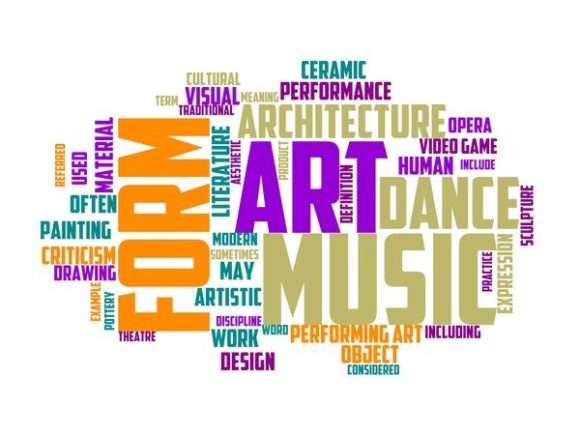
But here’s what many overlook: that same expressive, hand-drawn wordcloud you love for posters or mugs? It’s not automatically suited for book covers. And vice versa—book cover typography rarely translates cleanly to fabric prints or enamel pins without thoughtful adaptation. Confusing these contexts leads to mismatched expectations, wasted time, and designs that look stunning on screen but fall flat in print or on product.
Common Missteps—and Why They Matter
Mistake #1: Assuming “hand-drawn” means “ready-to-print.” A beautiful, colorful wordcloud drawn with ink and watercolor may scan at 300 DPI—but if the original artwork wasn’t created with vector precision or high-resolution raster layers, scaling it up for a 12" x 18" poster or shrinking it for a business card can blur edges, muddy colors, or introduce pixelation. Worse, some downloads include only low-res JPEGs—fine for social media previews, but inadequate for professional printing or embroidery.
Better approach: Before downloading or purchasing, check the file specs. Look for layered PSD files, editable AI/EPS vectors, or high-res PNGs (at least 300 DPI at intended print size). If you plan to use the Arts Typography Book Cover on textiles, confirm whether the design includes transparent backgrounds and color-separated layers—especially important for screen printing or heat transfer.
Mistake #2: Ignoring color mode and gamut limitations. That vibrant coral-and-teal gradient looks magical on your laptop—but if it’s saved in RGB and sent straight to a CMYK printer (or a DTG garment printer), colors shift unpredictably. Blues turn muddy, oranges dull. Similarly, metallic or neon tones in digital previews often don’t reproduce accurately on uncoated paper, cotton fabric, or ceramic mugs.
Better approach: Ask for a CMYK or Pantone-verified proof if ordering physical prints. For DIY projects, convert your working file to CMYK early—and soft-proof it using your design software. When sourcing Arts Typography Book Cover assets, prioritize collections that include both RGB (for web/digital) and CMYK-ready versions. Bonus: some creators provide PMS swatch guides—useful for consistent branding across stationery, apparel, and packaging.
Mistake #3: Overlooking licensing scope. You bought a “commercial use” license—but did you read the fine print? Some licenses permit unlimited digital use (e-books, social graphics) but restrict physical products unless you purchase an extended license. Others forbid resale as standalone clipart or prohibit use on merchandise sold via third-party platforms like Etsy or Redbubble without attribution—or additional fees.
Better approach: Treat licensing like a contract—not a checkbox. Scan for clauses about: number of end products, annual sales caps, attribution requirements, and exclusivity. If you’re designing for a client, verify whether your license covers their usage too. When in doubt, contact the creator directly. Reputable designers respond quickly—and many offer custom licensing tiers for small businesses or educators.
What to Check Before You Commit
Before adding an Arts Typography Book Cover to your cart—or dragging that wordcloud into your Canva template—take three minutes to ask:
- Is the typography legible at my target size? Try zooming out to 25% in your layout. Does the main word still read clearly? Does spacing hold up on a 4" x 6" postcard or a 24" x 36" banner?
- Does it harmonize with my brand palette—or does it demand its own? A bold, multicolor wordcloud works wonders for festival invitations or art journals—but may clash with minimalist branding or corporate reports. Consider whether you’ll adapt the design (re-coloring, cropping, layering) or choose something more neutral and versatile.
- Are alternate versions included? Look for light/dark background variants, simplified outlines, or monochrome versions. These aren’t extras—they’re practical tools. A black-and-white version might be essential for letterpress invitations or embroidery thread limits. A reversed version saves hours when overlaying text on photos.
Real-World Use Cases Done Right
Take Maya, a freelance educator who creates printable classroom resources. She initially downloaded a gorgeous hand-lettered “Growth Mindset” wordcloud—only to find it overwhelmed her worksheet layouts. Instead of scrapping it, she used the vector file to isolate individual words, recolored them to match her school’s brand palette, and arranged them subtly along worksheet borders. The result felt intentional—not decorative.
Or consider Ben, who launched a small batch of ceramic mugs with inspirational phrases. He loved a particular Arts Typography Book Cover design—but realized its fine linework wouldn’t survive kiln firing at full detail. His fix? He worked with a local ceramicist to simplify the outline, thickened key strokes, and tested glaze reactions on sample tiles first. The final mugs retained the soul of the original—without sacrificing durability.
These aren’t edge cases. They’re reminders that great typography isn’t about grabbing the prettiest asset—it’s about matching intent, medium, and execution.
A Final Thought: Start Small, Scale Smart
You don’t need every variation, every colorway, or every format on day one. Begin with one high-quality Arts Typography Book Cover that aligns with your most frequent use case—say, digital invitations or notebook covers. Test it across two formats: once on screen (a PDF flyer), once in print (a 5" x 7" test print on your home printer). Note how spacing holds, how contrast reads in ambient light, how fonts behave when resized.
That feedback loop—observe, adjust, refine—is where craft meets confidence. And over time, you’ll build a curated library: not of “more,” but of better-matched typography. Designs that support your message instead of competing with it. Assets that earn their place—not just on your screen, but on someone’s shelf, wall, or wrist.
So yes—get crafty. Print that wordcloud on fabric. Stamp it onto tags. Embroider it onto tote bags. But do it with attention. With clarity. And with the quiet assurance that comes from knowing your Arts Typography Book Cover wasn’t just chosen—it was chosen well.