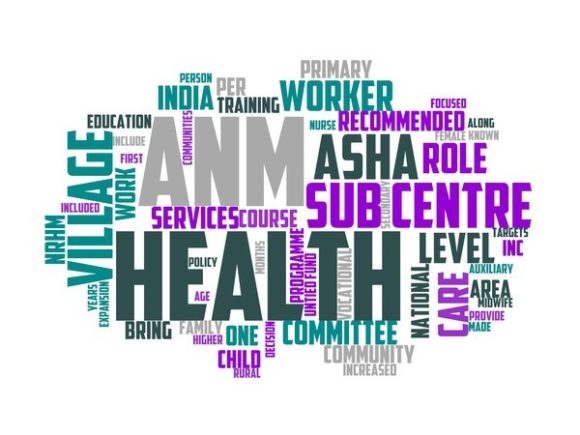
Auxiliary Nurse Typography Print: A Hand-Drawn Wordcloud for Meaningful, Modern Design
At its core, the Auxiliary Nurse Typography Print is more than decorative lettering—it’s a visual tribute to care, compassion, and quiet professionalism. This hand-drawn, colorful wordcloud brings together over 30 evocative terms—like “empathy,” “resilience,” “support,” “dedication,” and “calm”—arranged organically, not algorithmically. Each word is carefully sketched by hand, then digitally refined to preserve texture, warmth, and human intention. The result? A design asset that feels personal, grounded, and deeply resonant—especially in spaces where authenticity matters most.
Why This Wordcloud Fits Today’s Creative and Professional Landscape
Design preferences have shifted decisively away from sterile minimalism and toward layered, narrative-rich visuals. People don’t just want clean lines—they want cues to meaning, context, and connection. That’s why hand-drawn typography, especially when anchored in purpose-driven themes like nursing and healthcare support, stands out across digital and physical media. Unlike generic script fonts or AI-generated motifs, this wordcloud carries emotional weight because it was conceived with real-world resonance in mind—not just aesthetic appeal.
This shift reflects broader changes in how professionals communicate. Educators designing classroom posters now prioritize inclusive, uplifting language. Small business owners launching wellness brands seek visuals that reflect values—not just vanity. Healthcare educators, clinical trainers, and hospital communications teams use tools like the Auxiliary Nurse Typography Print to reinforce team identity without cliché. Even freelance designers building client-facing assets (think welcome kits for new nursing graduates or orientation materials for auxiliary staff) find this wordcloud bridges tone and utility seamlessly.
From Wall Art to Workflow: Where It Lives—and Why It Works
The versatility of this wordcloud isn’t theoretical—it’s built into its structure. Because it’s delivered as a high-resolution, vector-friendly file (with transparent background options), it scales cleanly from a 2-inch sticker on a nurse’s badge holder to a 48-inch mural in a community health center waiting room. Its color palette—soft teals, warm terracottas, muted sage greens, and gentle creams—is intentionally accessible: legible against light or dark surfaces, printer-friendly for bulk print jobs, and screen-safe for digital newsletters or e-learning modules.
Consider these realistic applications:
- Clothing & Textiles: Embroidered onto lab coat pockets or screen-printed on cotton tote bags for nursing student orientations—adding quiet pride without loud branding.
- Print & Promotional Materials: Used as a subtle watermark behind text on brochures for continuing education programs, or cropped tightly for social media banners announcing mentorship initiatives.
- Home & Workspace Décor: Printed on archival paper for framed wall art in break rooms, student housing, or clinical simulation labs—serving as both decoration and quiet affirmation.
- Digital Products: Integrated into Canva templates for nurse-led workshops, embedded in downloadable checklists for patient advocacy training, or layered into ebook chapter headers for healthcare leadership guides.
What makes it practical isn’t just flexibility—it’s intentionality. Every word was selected for relevance to auxiliary nursing roles: not just clinical tasks, but interpersonal strengths, ethical commitments, and everyday resilience. That specificity helps users avoid the “generic inspirational” trap—where motivation feels hollow because it lacks context.
How Designers and Teams Are Using It Thoughtfully
Freelance graphic designers report using the Auxiliary Nurse Typography Print as a foundational element—not a standalone decoration. One Seattle-based educator repurposed the layout into a modular teaching tool: she separated individual words, added brief definitions, and turned them into laminated discussion cards for empathy-building exercises. A UK-based medical supply startup used a simplified monochrome version as a repeating pattern on packaging inserts—reinforcing brand values at the moment of unboxing.
For small studios and solopreneurs, this wordcloud reduces creative friction. Instead of spending hours sourcing fonts, testing color harmonies, or second-guessing messaging hierarchy, they start with a cohesive, values-aligned base—and build outward. That’s especially valuable during tight deadlines (like conference swag production or last-minute workshop handouts), where clarity and consistency matter more than novelty.
It also supports accessibility-conscious workflows. Because the original file includes clear layer naming and editable text elements (in compatible software), designers can adjust contrast, swap colors for vision needs, or extract single words for captioned social posts—all without redesigning from scratch.
Evolving Beyond Decoration: When Typography Becomes Infrastructure
Typography used to be about readability and brand alignment. Now, it’s increasingly part of organizational infrastructure—supporting culture-building, onboarding, and even retention efforts. In healthcare settings facing well-documented staffing pressures, small visual affirmations carry measurable weight. A study published in the Journal of Nursing Administration (2023) found that environments incorporating value-centered language in visible, non-intrusive ways correlated with higher self-reported morale among support staff—including auxiliary nurses.
The Auxiliary Nurse Typography Print fits naturally into that space—not as propaganda, but as reinforcement. It doesn’t shout; it settles in. It appears on a coffee mug beside a nurse’s workstation, on a postcard mailed to a newly certified auxiliary nurse, or as a soft background in a Zoom waiting room before a peer support session. Its power lies in repetition without redundancy, warmth without sentimentality.
Realistic Recommendations for Getting Started
If you’re considering integrating this wordcloud into your work, begin small—and stay purpose-led:
- Start with one use case. Choose a medium you already use regularly—whether that’s printable PDF handouts, Instagram story templates, or fabric swatches for a boutique apparel line. Test how the wordcloud enhances (not distracts from) your core message.
- Respect scale and context. On small items like enamel pins or luggage tags, use only the central cluster or isolate 3–5 key words. For large-format posters, let the full composition breathe—pair it with ample white space and minimal supporting text.
- Keep color intentional. The default palette works broadly, but don’t hesitate to recolor selectively. A deep navy version reads strongly on light scrubs; a high-contrast black-and-white variant ensures clarity in printed manuals or ADA-compliant signage.
- Pair with action—not just aesthetics. If using it on a workshop flyer, link each prominent word to a tangible takeaway: “Resilience → 3 strategies covered in Session 2.” That transforms decoration into orientation.
Finally, remember: tools like this wordcloud are most effective when they serve people—not trends. Its growing use among nurse educators, wellness entrepreneurs, and compassionate brands isn’t about chasing a fad. It’s about meeting a real need—for visuals that honor complexity, acknowledge effort, and speak plainly to those who show up, day after day, in service of others.
Where Creativity Meets Care
The Auxiliary Nurse Typography Print reflects a quiet but meaningful evolution in how we visualize care work. It rejects caricature and oversimplification. It avoids clinical coldness and saccharine uplift alike. Instead, it offers something rarer: grounded beauty—handmade, thoughtful, and quietly powerful. Whether you’re designing for a national nursing association or stitching a single pillow for a friend entering her first clinical rotation, this wordcloud invites you to make space for meaning—without needing to explain it.
That balance—between craft and clarity, warmth and professionalism, detail and restraint—is why it works across so many formats: clothes, posters, notebooks, cups, tags, stickers, home décor, textile patterns, and beyond. Not because it’s flashy, but because it’s faithful—to the work, the people, and the values that hold it all together.