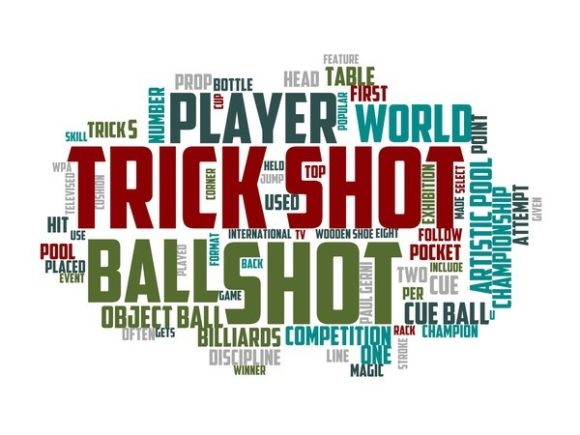
Artistic Pool Typography Print: A Versatile Hand-Drawn Word Cloud for Creative Professionals
Artistic Pool Typography Print is a carefully crafted, hand-drawn word cloud built around the concept of “pool” — not just as a physical space, but as a metaphor for depth, reflection, convergence, and fluidity. Unlike algorithmically generated word clouds, this design emerges from intentional artistic decisions: layered letterforms, organic spacing, balanced color distribution, and expressive line work. It’s delivered as a high-resolution, scalable vector (AI/EPS) and raster (PNG with transparent background) file set — making it practical for both digital and print applications without quality loss.
What Sets This Word Cloud Apart From Generic Alternatives
Many word clouds prioritize density over design — cramming terms into rigid shapes with little regard for rhythm or readability. Artistic Pool Typography Print avoids that pitfall. Its composition flows like water: letters curve gently, weights shift subtly between thick and thin strokes, and negative space is treated as an active element — not just empty background. The palette uses 8–10 harmonized hues (teal, coral, soft ochre, slate blue, mint, lavender, warm grey, and cream), applied with intention — no random saturation spikes or clashing contrasts. Each color corresponds to a thematic cluster within the pool concept: relaxation, movement, community, clarity, renewal, play, balance, and imagination.
This isn’t decorative filler. It’s typographic storytelling — where the arrangement reinforces meaning. Words like “dive,” “ripple,” “still,” “gather,” “float,” and “breathe” are placed to suggest motion, pause, or connection. That level of narrative cohesion makes it functionally distinct from clipart-style assets.
Practical Use Cases Across Industries and Workflows
Because it’s delivered in production-ready formats and designed with commercial flexibility in mind, Artistic Pool Typography Print integrates cleanly into diverse creative workflows:
- Apparel & Textiles: Screen-printed on linen tote bags or embroidered onto cotton tees — its open structure holds up well at 8–12 inch widths, and the transparent PNG allows precise placement over fabric textures.
- Promotional Materials: Used as a focal graphic on event banners for wellness retreats or aquatic-themed fundraisers; scaled down for QR-code-enabled postcards linking to registration pages.
- Publishing & Editorial: Repurposed across magazine spreads — cropped tightly for pull quotes, reversed out for chapter headers, or overlaid with light type for feature intros on mindfulness or environmental topics.
- Product Packaging: Applied to matte-finish soap labels or ceramic mug decals; the muted palette complements natural materials without competing visually.
- Digital Assets: Embedded in Canva templates for coaches or therapists building branded lead magnets; used as a subtle watermark layer behind webinar slides or e-book covers.
It also performs reliably in mixed-media contexts — such as collage-based scrapbooking layouts or resin-coated jewelry pendants — thanks to clearly defined edges and minimal fine-detail dependency.
Quality, Consistency, and Technical Readiness
The vector source files retain full editability: individual words can be repositioned, recolored, or scaled without distortion. Kerning and tracking remain consistent across sizes — a common pain point with traced or raster-based typography. There are no embedded fonts requiring licensing; all text is outlined, eliminating font substitution risks during handoff to printers or developers.
Color fidelity is maintained across CMYK (for offset printing) and RGB (for web/digital) outputs. The designer included a separate Pantone reference sheet, useful for brand-aligned merchandising. Files are organized intuitively — with layers named by use case (e.g., “Poster_Layout,” “Apparel_SingleColor,” “Web_Transparent”) — reducing time spent sorting or rebuilding assets.
Who Benefits Most — And When It May Fall Short
This asset serves professionals who need expressive yet professional-grade typography that communicates tone *and* supports branding — not just decoration. Small business owners launching a swim school, yoga studio, or eco-lifestyle brand find immediate utility in its thematic resonance. Freelance designers building mood boards for client presentations use it to convey atmosphere quickly. Educators creating classroom posters on emotional regulation or collaborative learning appreciate how “pool” functions as both literal and figurative anchor.
That said, it’s not a universal solution. If your project requires strict typographic hierarchy (e.g., legal disclaimers or data-heavy infographics), this word cloud won’t replace structured layout tools. It’s also not optimized for accessibility — while legible at standard viewing distances, it lacks semantic HTML structure or alt-text readiness for screen readers. For large-scale signage viewed from over 15 feet, minor letterform blending may occur unless output resolution is verified pre-print.
It’s also not a substitute for custom lettering. If your brand voice demands absolute uniqueness — say, a bespoke logotype with proprietary ligatures or cultural symbolism — this remains a strong starting point or complementary element, not a final identity system.
Integration Tips for Real-World Projects
Start by testing contrast: place the word cloud against three background options — light neutral, dark charcoal, and a textured surface (like kraft paper or brushed metal). Note where legibility holds and where subtle drop shadows or stroke outlines become necessary. For apparel, run a test print on the exact fabric blend you’ll use; some dyes mute softer tones like lavender or cream.
When adapting for digital use, avoid stretching the composition horizontally — its balance relies on vertical flow. Instead, crop thoughtfully or pair with minimalist supporting elements (a single icon, a short caption, ample whitespace). In editorial layouts, treat it as a visual paragraph break — not a headline replacement — to preserve scannability.
If modifying colors, stick to the provided palette or adjust using HSB values rather than brightness sliders alone. That preserves chromatic harmony — critical when reproducing across devices or print runs.
Long-Term Value Beyond First Impressions
Unlike trend-driven graphics that feel dated within months, Artistic Pool Typography Print leans into timeless principles: organic form, restrained color, and conceptual clarity. Its strength lies in adaptability — not novelty. You’re unlikely to exhaust its utility after one campaign. A marketer might use it for a summer wellness launch, then repurpose cropped sections for holiday gift tags or internal team recognition cards six months later.
Its value compounds when treated as part of a broader visual system. Pair it with a clean sans-serif for body copy, a single accent icon (e.g., a simple wave or circle), and consistent spacing rules — and it becomes a recognizable, repeatable motif across touchpoints. That kind of coherence matters more than visual complexity when building audience trust over time.
For creators balancing speed, aesthetics, and authenticity, Artistic Pool Typography Print delivers measurable efficiency: fewer revision rounds, faster client approvals, and less time spent sourcing or redrawing similar concepts. It doesn’t replace skill — it supports it, giving experienced hands more room to focus on strategy, messaging, and user experience.